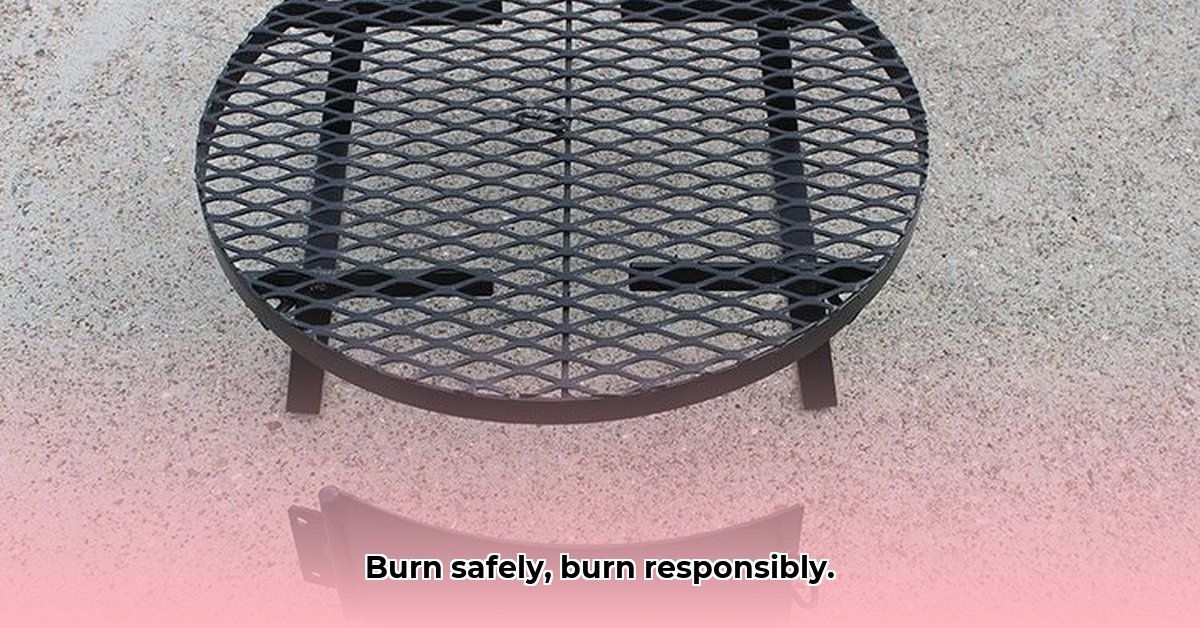
Thinking about using a burn barrel from Tractor Supply to manage yard waste? It's a common practice, but fire safety is paramount. This guide provides comprehensive information on selecting, setting up, and safely operating a burn barrel, while also exploring legal considerations and eco-friendly alternatives. For additional outdoor heating options, check out Tractor Supply's patio heaters.
Tractor Supply Burn Barrel: Your Complete Guide to Safe Burning
Tractor Supply offers various burn barrels, but responsible use is key. This guide will help you navigate the process safely and legally, from purchase to disposal.
Finding Your Perfect Burn Barrel at Tractor Supply
Tractor Supply stocks different burn barrel sizes and styles. Consider your typical yard waste volume. A larger barrel means fewer emptying trips, but it's also more cumbersome. Smaller barrels are easier to manage but require more frequent emptying. Check Tractor Supply's website or your local store for pricing and availability. Factor in the cost of necessary safety equipment.
Setting Up Your Burn Barrel: Safety First!
Proper setup is crucial for safety. Follow these steps:
Location: Position the barrel at least 25 feet from buildings, trees, and other flammable materials. Consider wind direction to prevent ember spread.
Ground: Ensure level, non-flammable ground – gravel or bare earth is ideal. Avoid grass, leaves, or other combustible materials.
Clearance: Clear a 10-foot radius around the barrel, removing dry grass, leaves, and twigs.
Preparedness: Keep firefighting tools readily available (shovel, hose, or fire extinguisher). Prevention is key.
Using Your Burn Barrel Safely: Best Practices
Safe burning practices are essential:
Acceptable Materials: Burn only dry, natural materials (wood scraps, leaves, twigs). Avoid plastics, treated lumber, and anything producing toxic smoke. Burning such materials poses health and environmental risks.
Controlled Burning: Add small amounts of material gradually, maintaining control and minimizing fire hazards.
Constant Supervision: Never leave a burning barrel unattended. Always have someone monitoring it.
Airflow: Ensure adequate airflow for efficient combustion and reduced smoke production. Poor ventilation increases smoke and reduces burning efficiency.
Extinguishment & Disposal: Completely extinguish embers with water before moving or covering the barrel. Allow ample time to ensure embers are cold.
Do you know the most common cause of burn barrel fires? Unattended burning accounts for nearly 75% of incidents according to the National Fire Protection Association.
Local Regulations: Know Before You Burn
Always check local ordinances before using a burn barrel. Many areas have restrictions or bans to prevent air pollution and fire hazards. Consult your city or county website or officials for details.
Alternatives to Burn Barrels: Eco-Friendly Options
Consider eco-friendlier alternatives:
Composting: Convert yard waste into nutrient-rich compost, reducing landfill waste.
Municipal Pickup: Check for municipal yard waste collection services for convenient and responsible disposal.
Weighing the Pros and Cons
Burn barrels have both advantages and disadvantages:
| Pros | Cons |
|---|---|
| Relatively inexpensive | Significant fire risk if misused |
| Convenient for some yard waste disposal | Can produce air pollution and unpleasant smells if used improperly |
| Readily available at Tractor Supply | Subject to local regulations (may be illegal in your area) |
| Can be satisfying to see things burn | Not the most environmentally friendly method of waste disposal |
The choice depends on your needs and circumstances. Prioritize safety and legality.
Choosing Your Burn Barrel: Material Matters
Material influences durability and lifespan. A simple steel drum is inexpensive but susceptible to rust. Heavier-gauge steel or repurposed water heater tanks are more expensive but much more durable. Consider the long-term cost and safety implications.
Building a Safer Burn Barrel: Design Elements
Enhance safety and efficiency:
- Elevation: Raise the barrel off the ground for better airflow and easier ash removal.
- Air Holes: Adequate air holes facilitate complete combustion, reducing smoke.
- Strategic Placement: Position the barrel far from structures and vegetation, considering wind patterns.
A well-ventilated barrel burns cleaner and hotter, minimizing environmental impact.
Before You Light That Match: Legal and Safety Considerations
Before lighting a fire, confirm compliance with local regulations. Ignoring regulations can lead to penalties. Prioritize safety:
- Never leave unattended.
- Keep a water source nearby.
- Be aware of wind conditions.
Remember the analogy of a campfire: A small controlled fire is safe; a large uncontrolled one is dangerous.
Maintaining Your Burn Barrel: Extending its Life
Regular cleaning removes ash buildup, preventing blockage and promoting efficient airflow. If using a steel barrel, apply a rust-resistant coating for longevity. Proper maintenance is key to both its longevity and safe operation.